Call ( 268) 771-7324- ( 268) 728-8197 or ( 268) 463-2866 for a tour of the Island
Fig Tree Drive Antigua
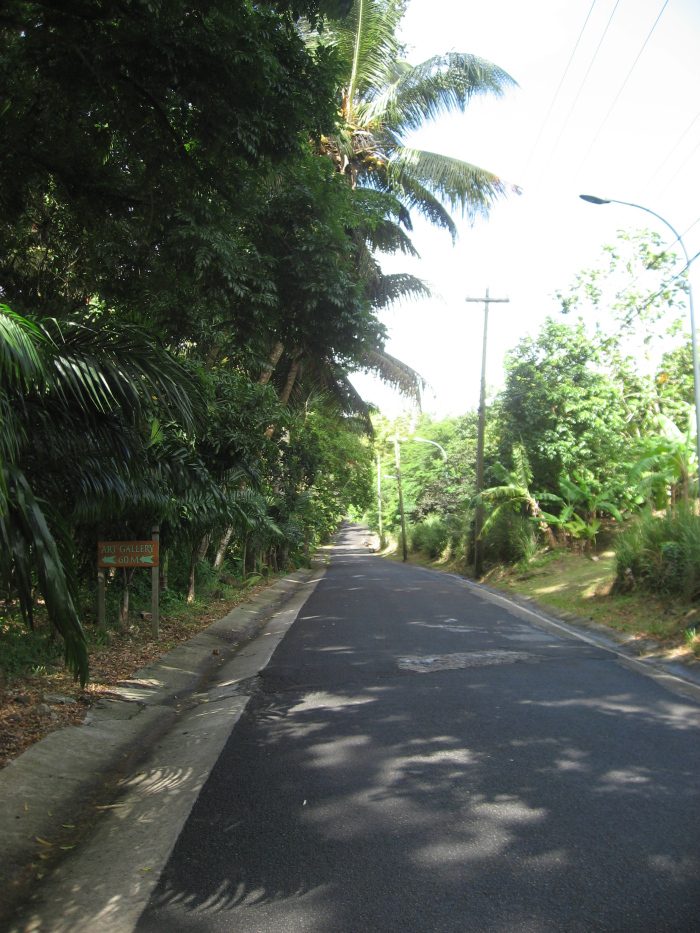
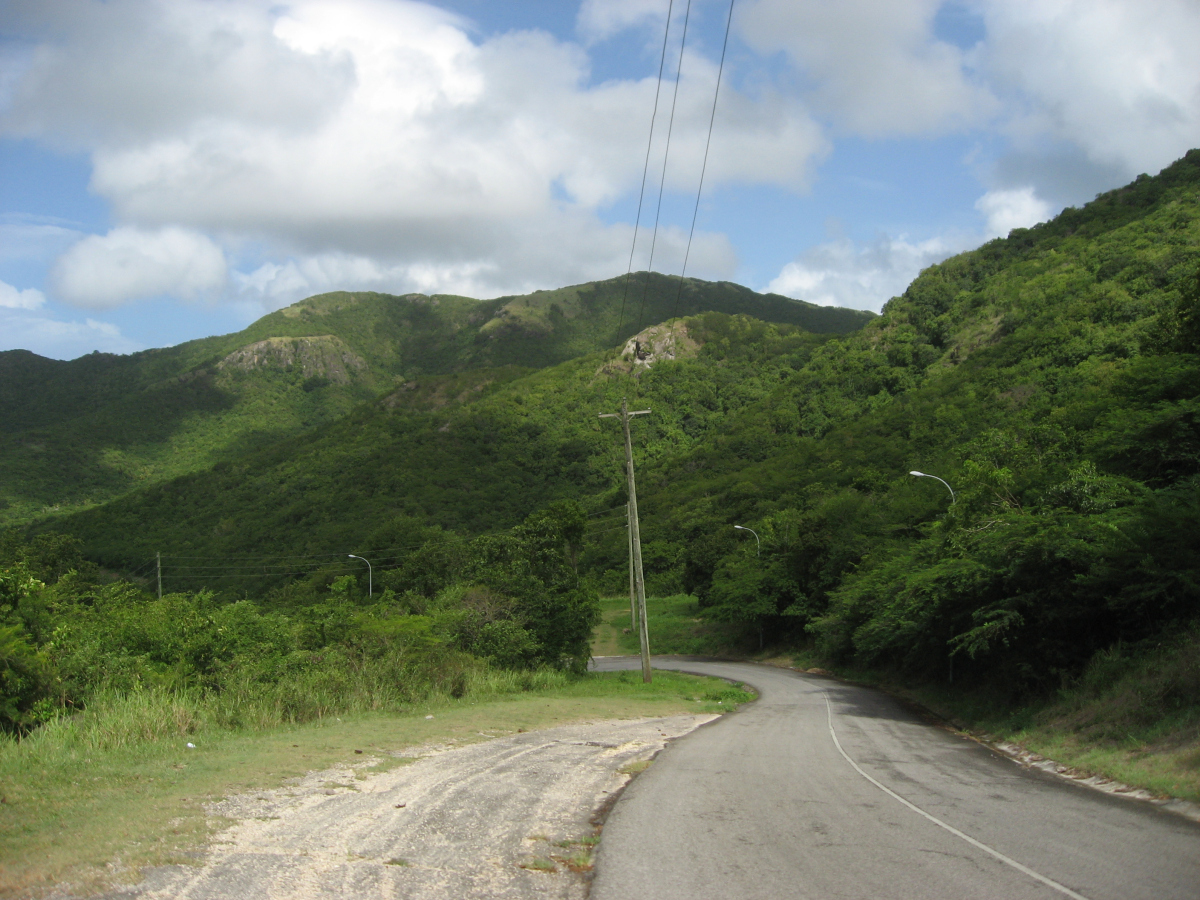
Fig Tree Drive through the Antigua countryside typically begins at the town of Liberta, north of Falmouth.
For avid hikers, it would be possible to walk this 20-mile circular drive but most people understandably drive through the mountains instead.
This is not a drive to be rushed. You'll want to stop at many places to get out, walk and view the lush forest or the small thatched fishing villages.
Don't expect to find real fig trees, though. Fig is the local name for bananas.
At the small Antigua Cultural Center between the villages of Swetes and Old Road, stop and ask directions for the trail to Wallings Dam. The woodlands walk there takes about 40 minutes.
Nelson's DockYard
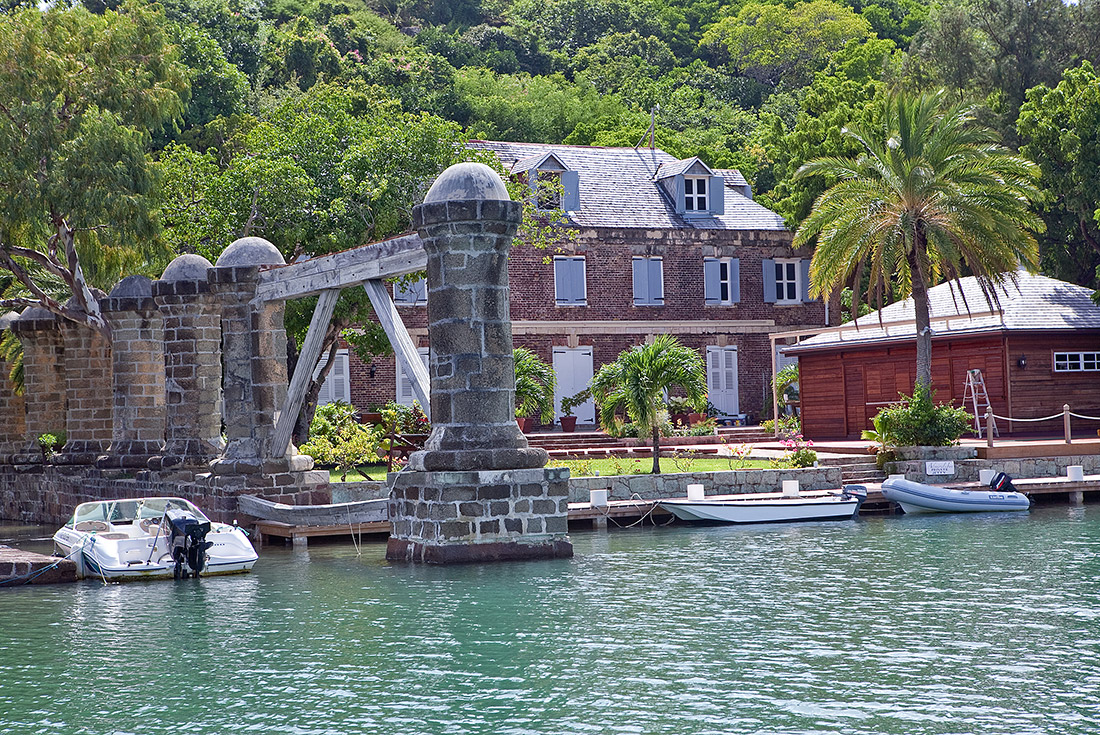
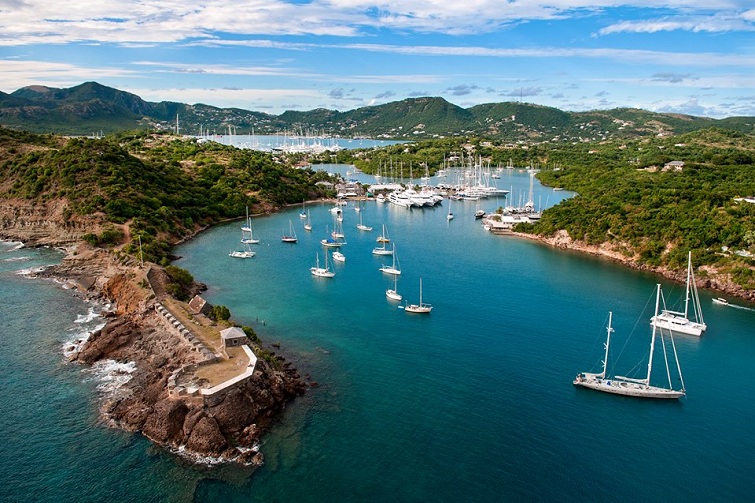
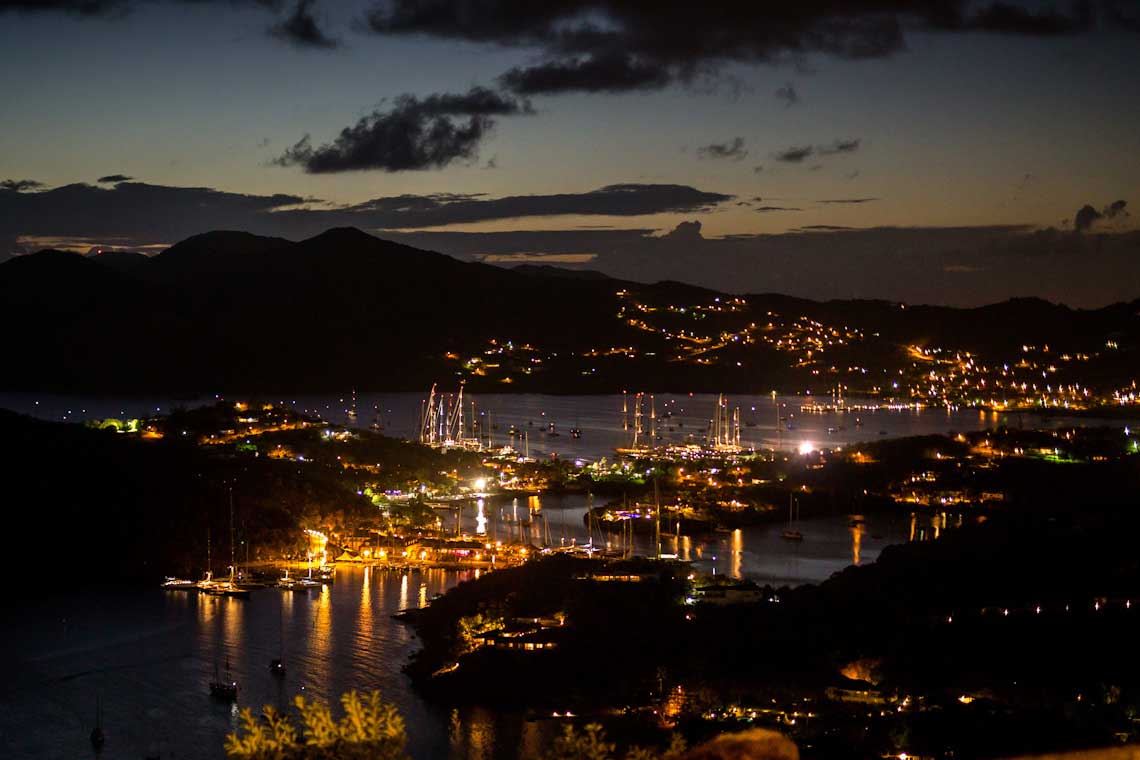
EnEnglish Harbour and Nelson's Dockyard are located 11 miles southeast of St. John's on the Antigua's main island road. Open daily 8 a.m. to 6 p.m.; (268) 460-1379.Fifteen-square mile Nelson's Dockyard National Park is a restored 18th-century naval garrison, a living museum somewhat reminiscent of Colonial Williamsburg in Virginia. It was established in 1725 as His Majesty's Antigua Naval Yard at English Harbour, built by the British Royal Navy to protect ships anchored in English Harbour with cargoes of sugar.English Harbour was important for its excellent anchorage: ships could ride out hurricanes there and repairs could be made under strong military protection.The garrison's namesake, Horatio Nelson, arrived in 1784 at age 26. Legend has it he gained command of Antigua after his predecessor put out his own eye while chasing a cockroach with a fork. No reports are given of how much grog was consumed during the cockroach chase. The site did not take Nelson's name until its restoration in 1951. Nelson served in the Caribbean from 1784-1787 and was dead 150 years before the dockyard adopted his name, something he might have found amusing since he and Antigua didn't suit each other well. Nelson was extremely unpopular with both the locals and English merchants of Antigua because he insisted on enforcing the Navigation Act, which prohibited trade with foreign countries using foreign ships. American ships were also not permitted to use English Harbour. Before Nelson's arrival, cargo vessels from the newly independent United States were carrying on a lively trade in Antigua with the well-bribed approval of on-site officials. Nelson put an end to this flaunting of the laws. When Nelson left for home in 1787, he was so sick and so convinced he might die on the voyage, he had a puncheon of rum put on board his ship to preserve his body. After the British and French ended their hostilities in 1815, the Dockyard gradually fell into decline. It was shut down in 1889 and reopened in 1961 as Nelson's Dockyard, with the newest name of Nelson's Dockyard National Park. The historical monument and well-equipped center for cruising yachtsmen. The main social center is the Admiral's Inn. Like most of The Dockyard's buildings, the Inn is built of local stone and brick imported for ballast. Its 14 small rooms are furnished as they would have been a century ago, but it is the outdoor patio that attracts most of the attention as the area's favorite watering hole. What once was The Dockyard's old copper and lumber store is now a restaurant and inn, imaginatively called The Copper and Lumber Store Hotel. It, too, has just fourteen rooms. The building that Nelson lived in has been turned into The Dockyard Museum, containing charts, furniture and nautical memorabilia from the 18th and 19th centuries. From The Dockyard, it's an easy walk to Fort Berkeley, situated on a thin spit of land overlooking the narrow entrance to English Harbour.Fort Berkeley defended the harbor not only with cannons but a chain and timber boom that would be drawn across to block the channel during sieges.Nature trails lasting from 30 minutes to 5 hours crisscross the area, including the Lookout Trail that leads to the following site, Shirley Heights, which overlooks English Harbour.
Shirley Heights
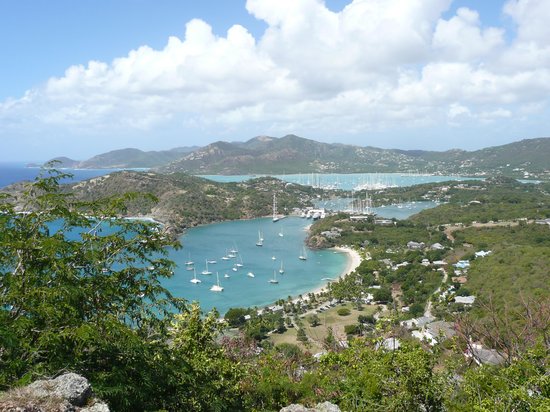
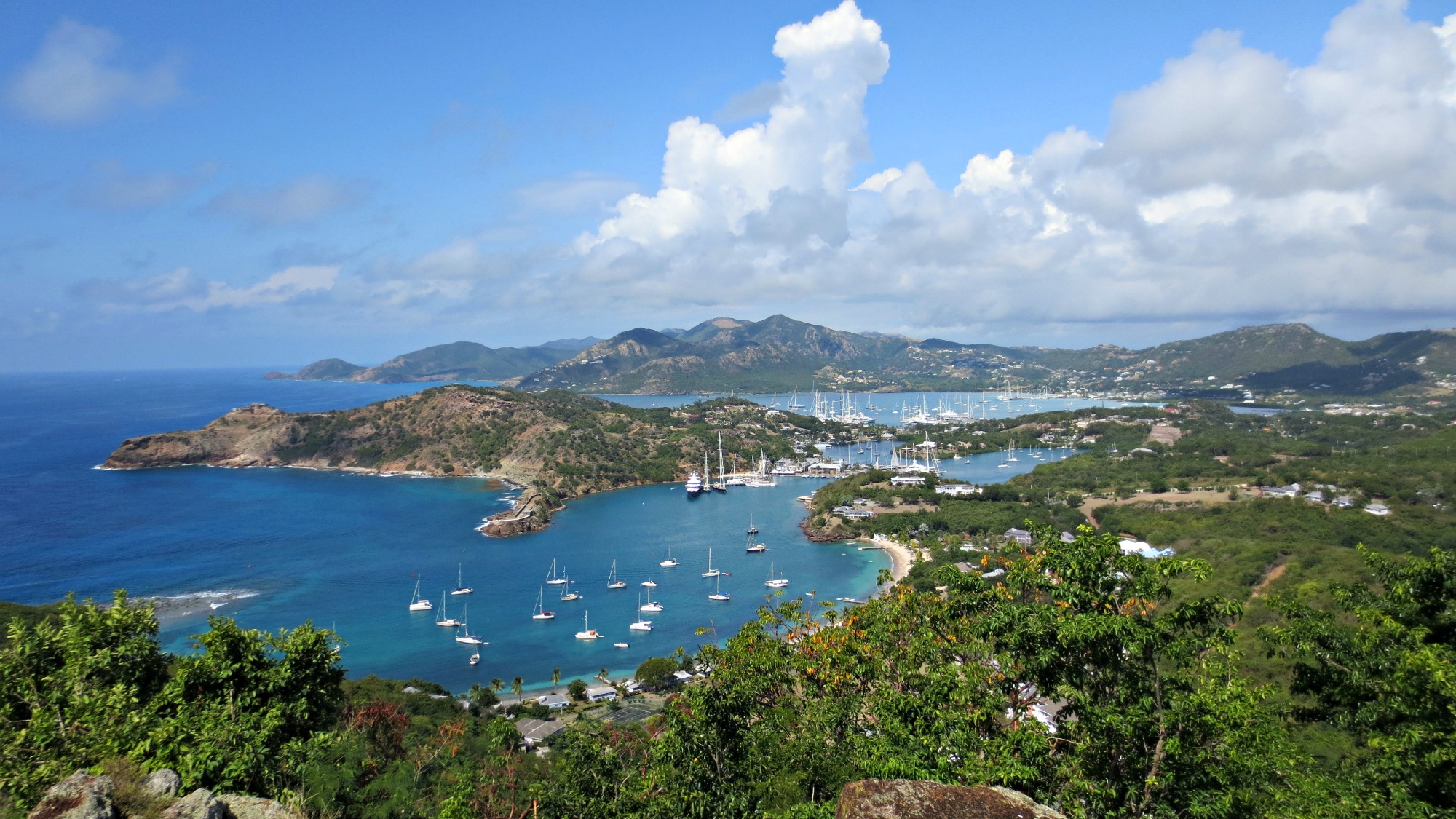
- Antigua's Sunday Party Place Shirley Heights, another restored garrison, has a magnificent panoramic view overlooking English Harbour and Nelson's Dockyard.It's the perfect setting for residents and visitors alike to congregate on Sundays for the liveliest party in Antigua. This installation was named after General Sir Thomas Shirley, a former governor. One of the main buildings, known as the Block House, was put up as a stronghold in 1787 in case of a siege. Shirley Heights commands a strategic and spectacular view of English Harbour with a view of Montserrat and Guadeloupe. The impressive fortification was built to provide added security to The Dockyard, but on Sunday afternoons it is the site of the island's biggest cookout and steel band concert.It's not necessary to sample the barbecue to be welcome here; many people come to enjoy the music. If you are really in the mood for a strenuous walk, park your vehicle at Clarence House and hike to Shirley Heights. Clarence House was built for the Duke of Clarence, the future King William IV who served under Nelson as a captain. Or climb to Shirley Heights via the Lookout Trail, a nature trail through the forest that originates at English Harbour.After your climb to the ridge of hills overlooking English Harbour, you'll understand why the fortification was never in much danger of being taken. You can also walk several side roads and area paths.
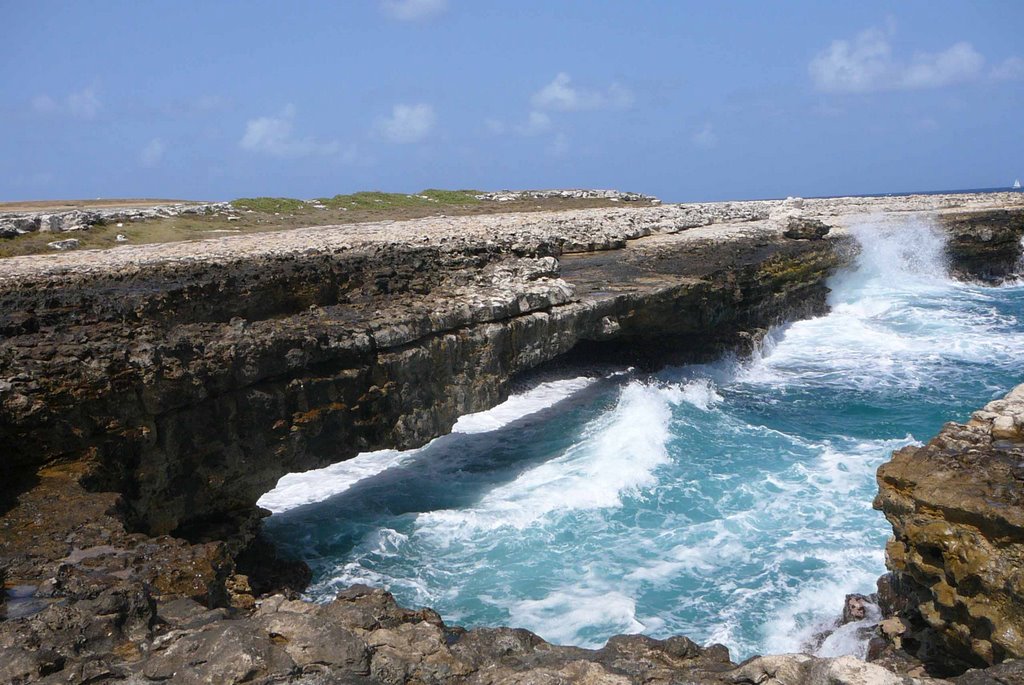
DEVIL'S BRIDGE, ANTIGUA
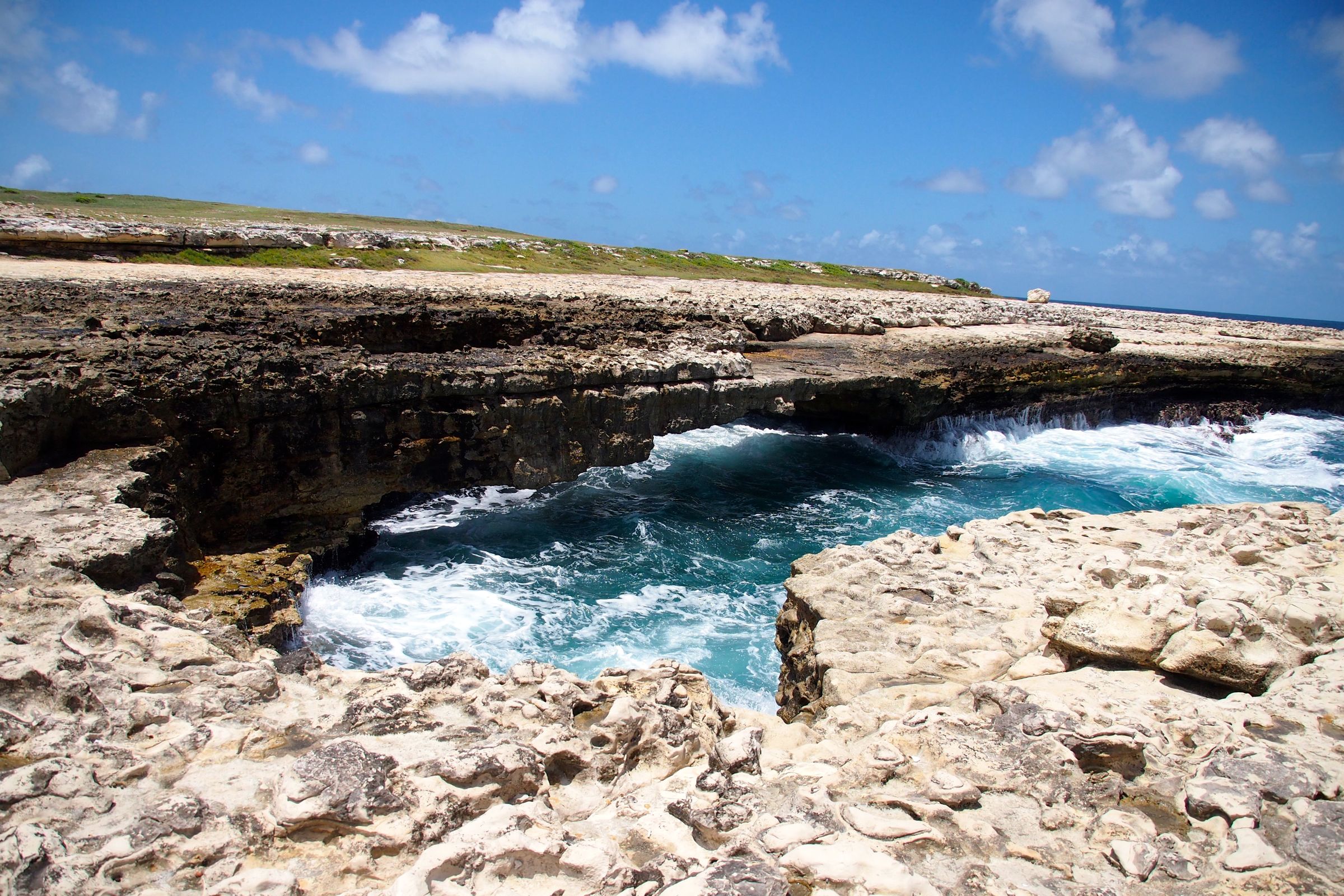
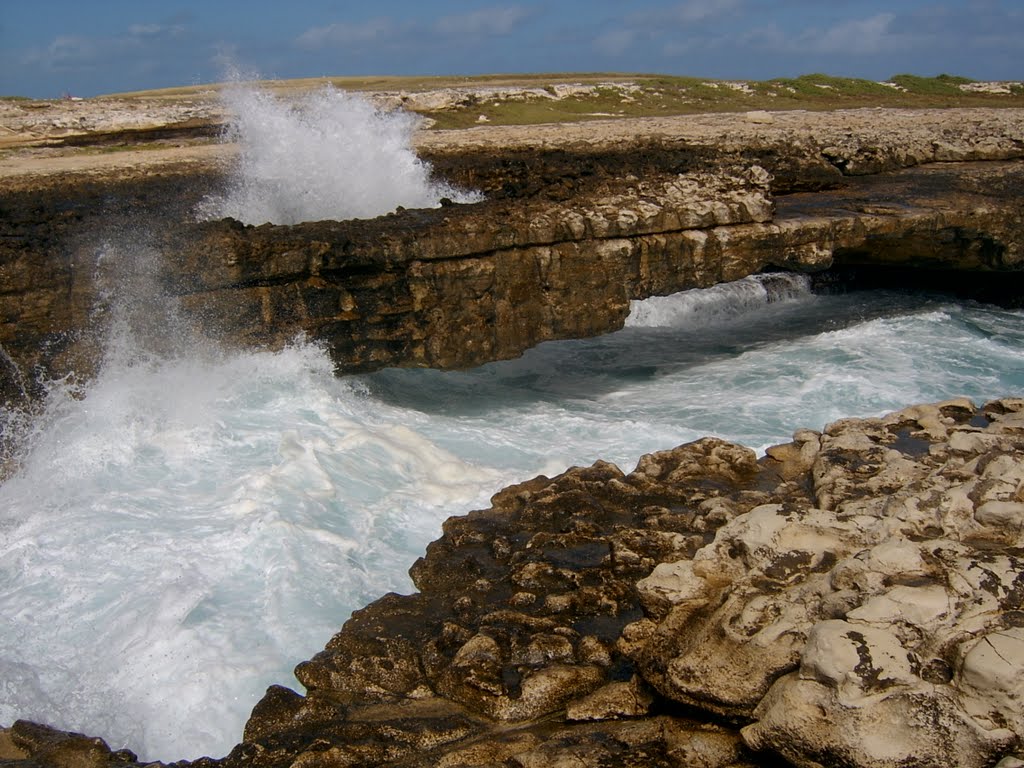
Devil's Bridge on the north eastern point of Antigua a so called because many slaves reportably threw themselves in the rough sea in an attempt to commit suicide (many succeeded - hence the name as the Devil must have been there to encourage the slaves to end their lives).
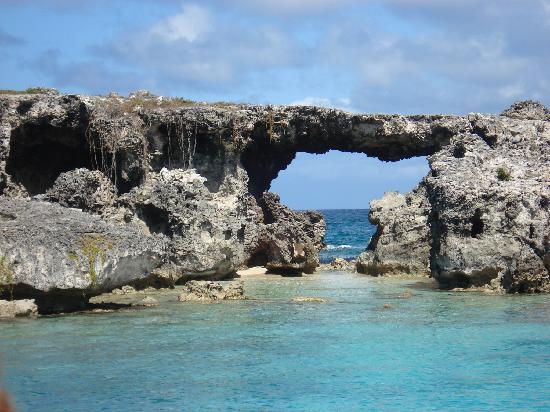
The area of Devil's Bridge is a national park and the soft limestone is being eroded by the sea to form cliffs and a limestone arch (bridge). This a wild part of the island covered in Century Plants and scrub.
© Copyright Jabez Car Rentals Antigua